Co-Founder and CEO
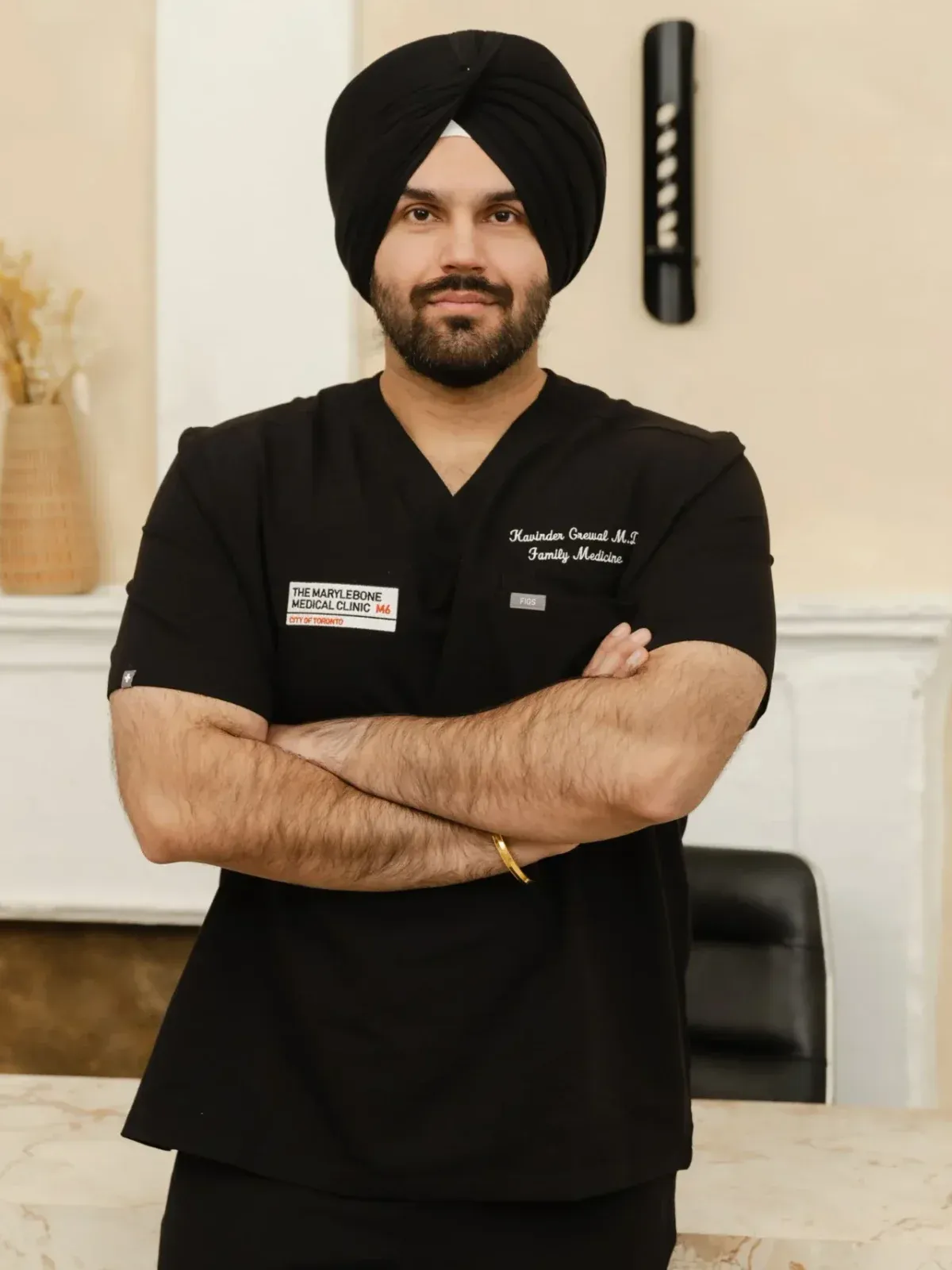
Dr. Kavinder Grewal
MD, CCFP, Family Medicine
Family physician focused on preventive and longevity medicine, and on long-term relationships with his patients.

The Marylebone Genome
Services
Medical Aesthetics
Longevity Medicine
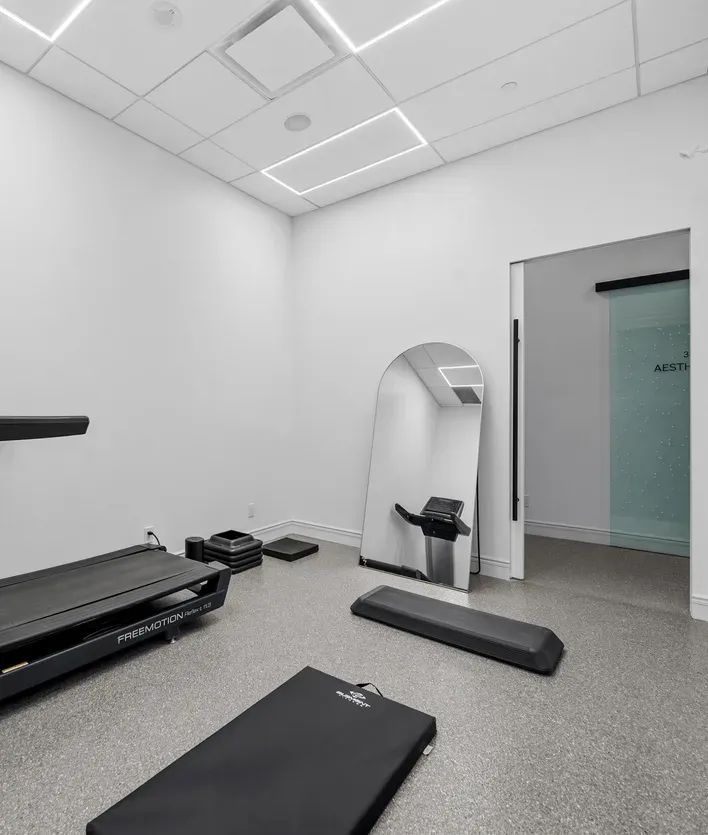
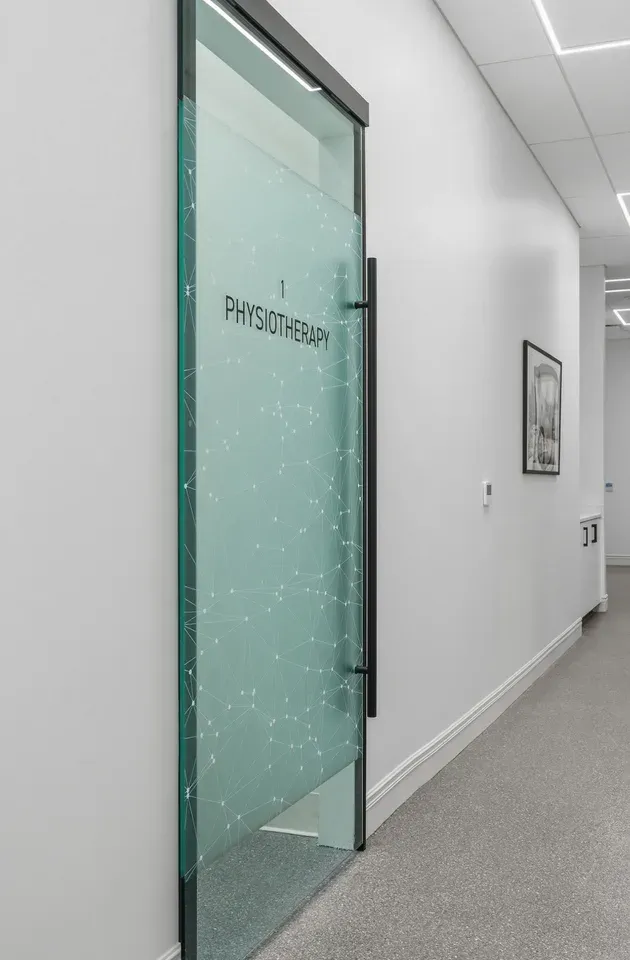
Effective physiotherapy begins with understanding how the body moves and how musculoskeletal systems function under everyday and physical demands. Our approach emphasizes evidence-based assessment and treatment aimed at improving movement quality, supporting recovery, and enhancing physical performance.
Why Marylebone
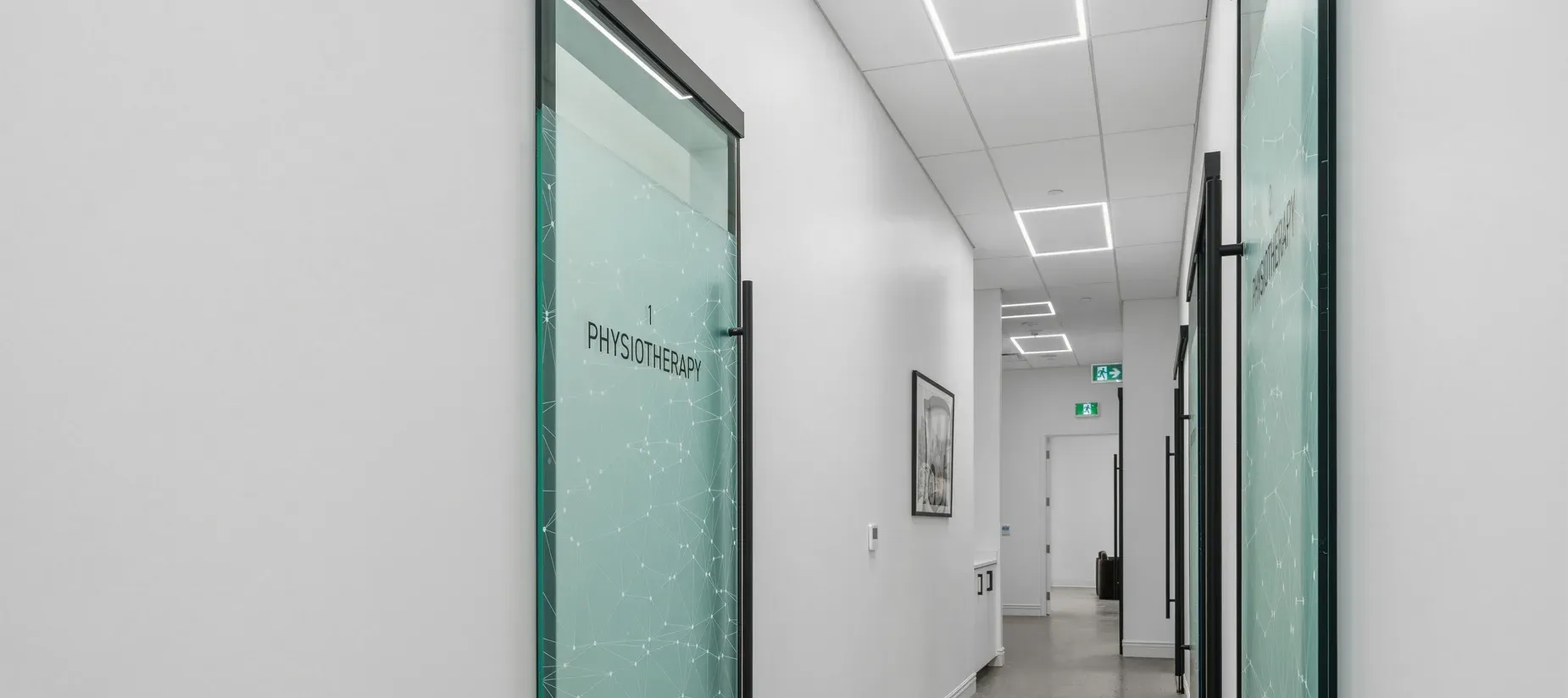
Our Physiotherapy service is guided by evidence-based practice, individualized care, and integration within a medical clinic setting. The focus remains on function, recovery, and long-term movement health rather than short-term symptom relief.
Meet the team
Your health is overseen by doctors who understand your history and guide decisions with long-term perspective.
Co-Founder and CEO
MD, CCFP, Family Medicine
Family physician focused on preventive and longevity medicine, and on long-term relationships with his patients.

Co-Founder and Chief Strategy Officer
BDS, M.Clin Dent, M(Orth)
Co-founder; shapes the clinic’s brand and patient experience.

Nurse Injector
RN
Acute and critical care nursing, with advanced training in medical aesthetics since 2018.

Nurse Injector
RN
Certified through the Canadian Board of Aesthetic Medicine in neuromodulators, fillers, PRP and IV therapy.
In detail
By prioritising evidence-based physiotherapy, care is directed toward meaningful outcomes that support daily function, activity tolerance, and confidence in movement.
Physiotherapy care begins with a detailed musculoskeletal assessment designed to understand movement patterns, strength, mobility, and contributing factors to discomfort or limitation. This assessment establishes a clear functional baseline and guides appropriate treatment planning.
Understanding what is included in a musculoskeletal assessment allows physiotherapy care to address not only symptoms, but the underlying movement factors that influence recovery and performance.
Physiotherapy care is most effective when it is tailored to the individual. Treatment and rehabilitation plans are developed based on assessment findings, goals, and functional needs rather than predetermined timelines.
This approach ensures rehabilitation remains adaptive, clinically appropriate, and responsive as function improves over time.
Physiotherapy treatment may incorporate a combination of hands-on techniques and active rehabilitation strategies. These approaches are selected based on clinical assessment and tailored to individual needs.
Rather than focusing on isolated techniques, physiotherapy integrates these strategies to support functional movement and long-term musculoskeletal health.
Musculoskeletal injury and physical strain can result from acute trauma, repetitive use, postural stress, or changes in activity levels. Physiotherapy supports recovery by addressing both tissue healing and movement patterns that influence ongoing stress.
By focusing on recovery and movement quality, physiotherapy helps reduce the risk of ongoing limitation and supports a safe return to activity.
Physiotherapy is not limited to rehabilitation following injury. It also plays an important role in improving mobility, functional movement, and physical performance in a clinically appropriate way.
This approach allows physiotherapy to support individuals who wish to maintain physical capability, independence, and confidence in movement over time.
While physiotherapy often begins in response to pain or injury, its long-term value lies in supporting sustainable movement and musculoskeletal health. Long-term care focuses on maintaining function and reducing the likelihood of recurring issues.
This perspective positions physiotherapy as part of ongoing health maintenance rather than short-term rehabilitation alone.
Physiotherapy at The Marylebone Medical Clinic is delivered within an integrated medical environment, allowing care to be coordinated with other services when appropriate.
This coordinated approach supports safe, informed physiotherapy care aligned with overall health goals and medical context.
Suitability for physiotherapy is assessed individually to ensure care aligns with personal health needs and goals.
This approach supports physiotherapy care that is thoughtful, safe, and clinically grounded.
Physiotherapy is an essential component of musculoskeletal health, recovery, and long-term physical function. By delivering evidence-based, individualized care within a coordinated medical environment, our Physiotherapy service supports safe movement, meaningful recovery, and sustained physical performance.
If you would like to learn more about physiotherapy or explore whether it aligns with your needs, our team is available to provide additional information and guidance.
Questions
A musculoskeletal assessment includes evaluation of movement, strength, mobility, posture, and contributing factors such as injury history and activity demands.
Physiotherapy is an evidence-based approach that supports recovery, movement, and function when guided by appropriate assessment and individualized care planning.
Referral requirements vary. Our team can provide guidance based on individual circumstances and insurance coverage.
Coverage depends on eligibility and insurance plans. Patients are encouraged to check with their provider for details.
When appropriate, physiotherapy care is coordinated with medical providers within the clinic to support comprehensive, integrated care.
Visit the clinic
Mon–Fri 8:00 AM – 6:00 PM · Sat 10:00 AM – 3:00 PM · Closed Sunday
Book now

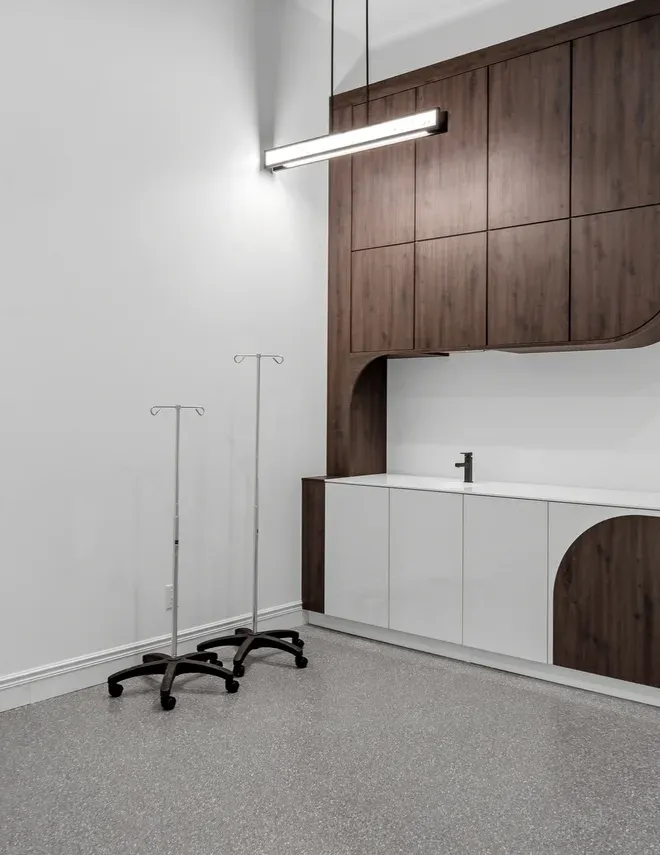
02 Longevity Medicine
Healthspan assessments, IV therapy and customized supplements
Book Longevity Appointment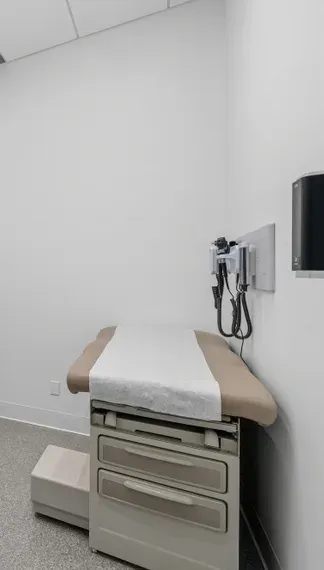
03 Family Medicine
OHIP-covered family care. Second wave of enrollment is open now!
Sign Up to Join Our PracticeNot sure which to choose? Call us at +1-647-932-2002