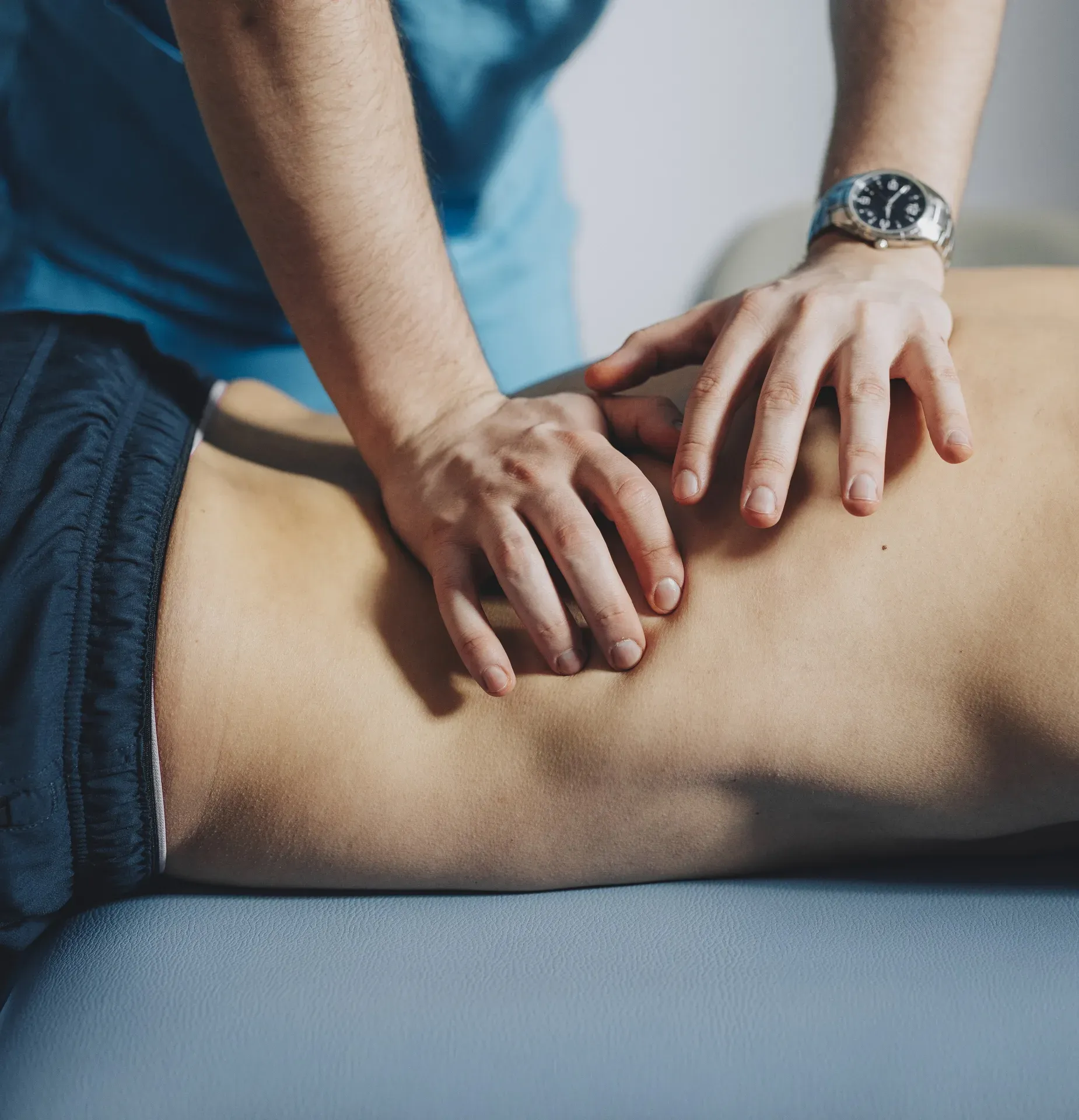
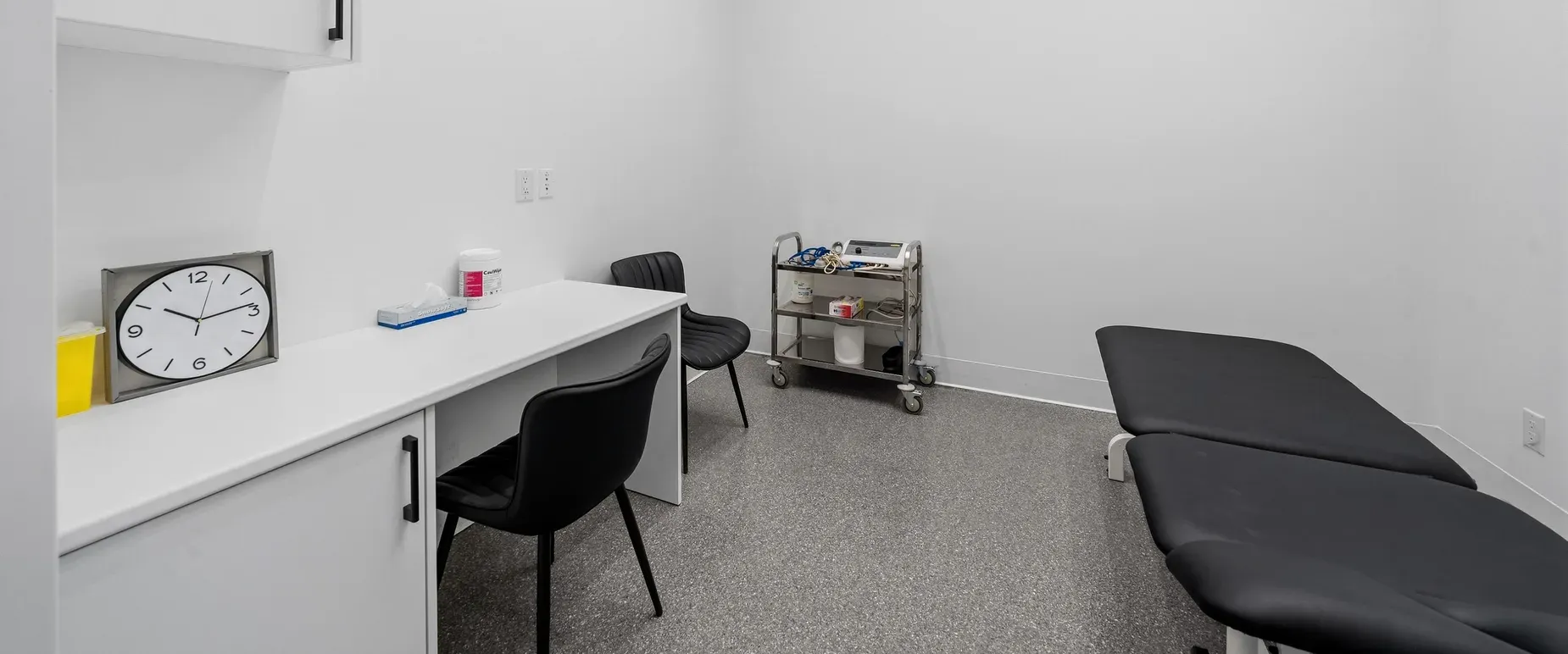
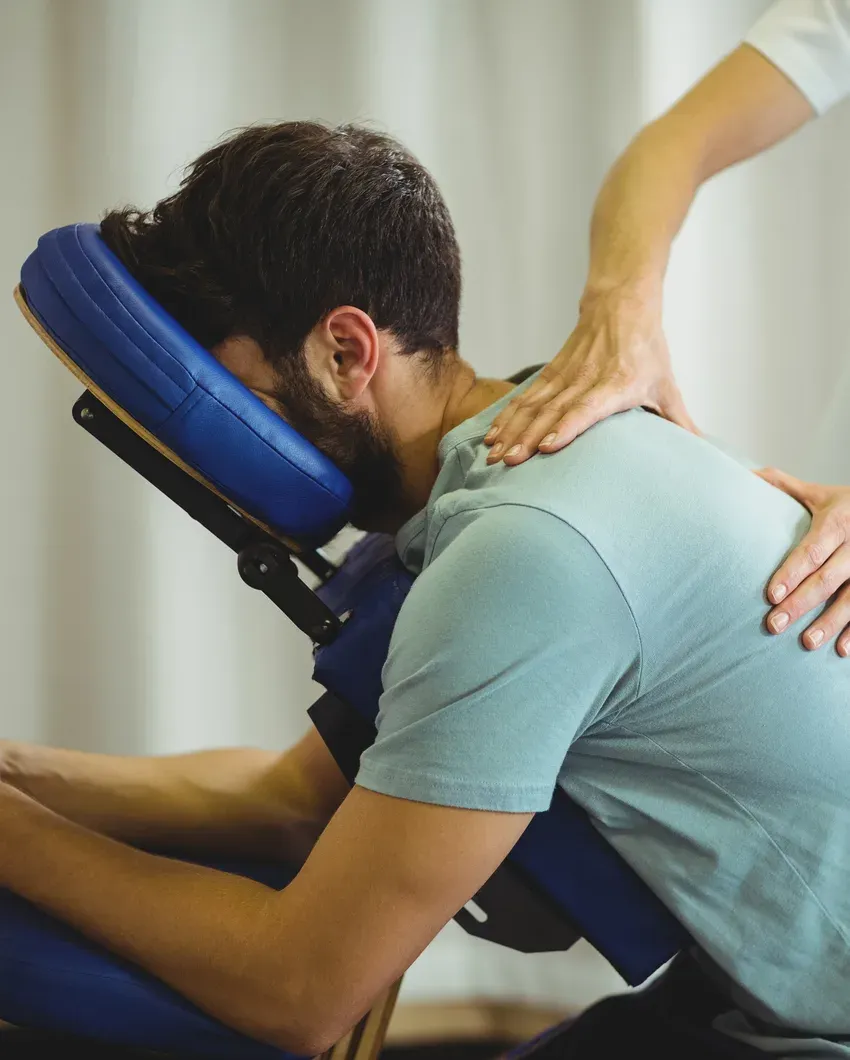
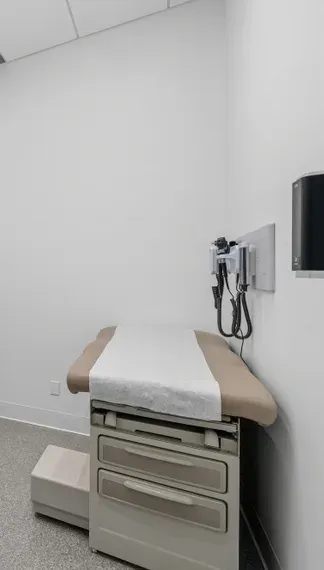
Delivered in a medical setting, massage therapy is guided by:
This environment allows massage therapy to support recovery and function as part of a broader care plan rather than as an isolated service.
- Therapeutic intent based on functional needs
- Clinical awareness of musculoskeletal health
- Licensed practitioners working within professional standards
- Integration with rehabilitation and medical care when appropriate
Assessment-Informed Massage Therapy
Effective massage therapy begins with understanding the individual. Our licensed massage therapists take time to identify areas of muscular tension, discomfort, or restriction before applying treatment.
Assessment-informed massage therapy may include:
This approach ensures massage therapy is applied intentionally and aligned with individual needs rather than delivered as a generalized routine.
- Discussion of symptoms, activity levels, and physical demands
- Identification of areas of muscle tightness or sensitivity
- Consideration of posture, movement habits, or rehabilitation goals
- Adjustment of techniques based on response and tolerance
Supporting Pain Relief and Muscular Tension Reduction
Muscle tension and soft tissue discomfort are common contributors to physical discomfort and reduced mobility. Muscle tension massage, delivered with therapeutic intent, supports pain relief by addressing areas of tightness and restriction within the muscles and surrounding tissues.
Massage therapy may help support:
By addressing muscular tension, massage therapy can support improved movement quality and physical comfort without making absolute or curative claims.
- Reduction of muscle tension and soreness
- Relief from physical stress and strain
- Improved circulation within soft tissues
- Greater comfort during daily movement
Massage Therapy as Part of Recovery and Rehabilitation
Massage therapy is often used alongside other rehabilitative services to support recovery. When incorporated into physiotherapy or chiropractic care, massage therapy may help prepare tissues for movement and improve tolerance to rehabilitation exercises.
Within recovery-focused care plans, massage therapy may support:
This collaborative approach allows massage therapy to complement active rehabilitation rather than function as a standalone treatment.
- Reduced muscle guarding during rehabilitation
- Improved soft tissue mobility between sessions
- Enhanced comfort during recovery phases
- Support for return to regular activity
Supporting Physical Performance and Functional Movement
Massage therapy can also support individuals with physically demanding lifestyles or activity levels. In this context, care focuses on recovery, resilience, and movement quality rather than performance enhancement claims.
Massage therapy may support:
This approach helps individuals maintain physical readiness and comfort while managing everyday physical demands.
- Muscle recovery following physical activity
- Reduced physical stress related to repetitive movement
- Improved awareness of movement-related tension
- Support for ongoing functional movement
Massage Therapy Within an Integrated Care Plan
Massage Therapy at The Marylebone Medical Clinic is delivered within a multidisciplinary environment that supports coordinated care. When appropriate, massage therapy is aligned with other services to support shared functional goals.
Coordination may include:
This integrated model helps ensure massage therapy is delivered safely and in alignment with broader care objectives.
Licensed Practitioners and Professional Standards
All Massage Therapy services at our clinic are provided by licensed massage therapists who meet professional and regulatory standards. Licensing ensures appropriate training in anatomy, physiology, and therapeutic techniques relevant to clinical care.
Our commitment to professional standards includes:
This professional framework supports patient confidence and high-quality care.
- Licensed and qualified practitioners
- Ethical, patient-centred treatment
- Clear communication and informed consent
- Attention to safety, comfort, and individual tolerance
Massage Therapy may be appropriate for individuals with a range of physical concerns or care goals, including:
Each session is tailored to the individual to ensure care remains appropriate and goal-oriented.
- Individuals experiencing muscle tension or soreness
- Patients managing physical stress from work or daily activities
- Those undergoing rehabilitation or recovery
- Individuals seeking support for movement comfort
- Patients interested in integrated therapeutic care
Key aspects of our approach include:
This approach ensures massage therapy supports recovery, function, and long-term physical well-being.
- Therapeutic massage delivered with clinical intent
- Licensed practitioners and professional oversight
- Integration with physiotherapy, chiropractic, and medical care
- Individualised, goal-focused treatment planning
Concerns Massage Therapy Supports
Massage therapy supports a wide range of musculoskeletal concerns by addressing muscle tension, soft-tissue restrictions, and movement limitations through evidence-informed, hands-on care. Within an integrated medical setting, treatment is tailored to each individual’s clinical assessment, functional goals, and overall care plan.
- Muscle Tension Helps reduce persistent tightness that can limit comfort and mobility.
- Muscle Soreness Supports recovery from physical activity, repetitive strain, and everyday muscular fatigue.
- Chronic Pain May help improve comfort and function as part of a multidisciplinary pain management strategy.
- Neck and Shoulder Tension Addresses common areas of muscular strain associated with posture, stress, and repetitive movements.
- Back Pain Helps relieve soft-tissue restrictions that may contribute to upper- and lower-back discomfort.
- Soft Tissue Restrictions Improves tissue mobility to support healthier movement patterns and flexibility.
- Physical Stress Reduces muscular tension that develops in response to physical demands and daily activities.
- Reduced Mobility Supports improved range of motion and movement quality through targeted soft tissue therapy.
- Recovery After Physical Activity Assists muscle recovery following exercise, sports, or physically demanding work.
- Movement Dysfunction Complements rehabilitation and integrated physical medicine by supporting more efficient, comfortable movement.
Massage Therapy and Healthy Aging
Healthy aging is about maintaining the strength, mobility, and physical function needed to remain active and independent throughout life. Massage therapy can play a supportive role in this process by helping manage muscular tension, promoting healthy movement patterns, and supporting recovery from the physical demands of everyday life. At The Marylebone Medical Clinic, massage therapy is integrated into a broader longevity-focused care model that emphasizes preventive musculoskeletal health rather than simply responding to symptoms as they arise.
Supporting Physical Longevity
Maintaining healthy muscles and soft tissues is an important part of preserving physical function over time. Therapeutic massage may help support muscle recovery, tissue mobility, and overall movement quality, allowing patients to remain active and better prepared for the physical demands of daily living.
Maintaining Mobility With Age
Age-related changes in muscles, connective tissues, and joint mobility can gradually affect flexibility and movement efficiency. Regular massage therapy may help reduce muscular tightness and soft-tissue restrictions, supporting comfortable movement and helping patients maintain mobility as they age.
Healthy Movement Across the Lifespan
Movement quality influences posture, balance, physical performance, and overall musculoskeletal health. By addressing areas of tension and dysfunction, massage therapy can complement exercise, rehabilitation, and other aspects of preventive healthcare that promote healthy movement throughout every stage of life.
Preventive Musculoskeletal Care
Preventive care focuses on supporting long-term physical resilience before more significant movement limitations develop. Within an integrated medical setting, massage therapy may be incorporated into personalized wellness strategies designed to help maintain musculoskeletal health, support functional independence, and encourage long-term physical well-being.
Massage Therapy, Stress, and Recovery
Physical and psychological stress often interact to influence overall health. Chronic stress can contribute to persistent muscle tension, reduced recovery capacity, and prolonged elevations in cortisol, all of which may affect movement, sleep, and long-term wellness. At The Marylebone Medical Clinic, massage therapy is integrated into a longevity-focused approach that supports both physical recovery and nervous system regulation as part of comprehensive preventive care.
Chronic Stress and Physical Tension
Stress frequently manifests as muscle tightness in areas such as the neck, shoulders, back, and jaw. Therapeutic massage helps address these patterns of muscular tension, supporting improved comfort, movement, and physical function while complementing broader stress management strategies.
Cortisol and Recovery
Chronic elevations in cortisol can influence muscle recovery, tissue repair, sleep quality, and overall physiological resilience. While massage therapy is not intended to treat hormonal conditions, it may support the body's natural recovery processes and help patients better manage the physical effects associated with ongoing stress.
Supporting Nervous System Regulation
Massage therapy may encourage relaxation by supporting healthy nervous system regulation and helping shift the body away from prolonged stress responses. This may contribute to improved physical comfort, greater ease of movement, and an enhanced sense of overall well-being as part of a personalized care plan.
Physical Resilience and Recovery
Recovery is an essential component of long-term musculoskeletal health and healthy aging. Whether recovering from physical activity, repetitive occupational demands, or everyday stress, massage therapy can support tissue recovery and movement quality, helping patients maintain resilience and functional performance over time.
What Is Recovery Massage Therapy?
Recovery massage therapy supports muscle recovery, eases physical tension, and helps you move more comfortably. Unlike relaxation-focused massage, it has a therapeutic aim and is guided by your assessment, your physical demands, and your recovery goals.
It may help if you’re dealing with muscle tension, physical strain, postural stress, or repetitive movement. It can also be coordinated with physiotherapy and chiropractic care when that helps your recovery.
How Therapeutic Massage Supports Stress Relief
Stress relief massage here goes beyond relaxation. Each session addresses the muscle tension, soft tissue restriction, and physical strain that chronic stress, repetitive activity, or posture can leave behind.
By easing areas of tightness, therapeutic massage may help improve circulation, support mobility, and make everyday movement more comfortable. Techniques are chosen for your needs, not from a standard routine.
Massage Therapy for Sleep and Overall Wellness
Quality sleep is essential for recovery, tissue repair, cognitive function, and long-term health. Sleep is when the body performs many of its restorative processes, making it a key component of healthy aging and overall wellness. At The Marylebone Medical Clinic, massage therapy may be incorporated into personalized care plans to support relaxation, physical recovery, and the broader lifestyle factors that contribute to long-term healthspan.
Supporting Healthy Sleep Quality
Muscle tension, physical discomfort, and chronic stress can all interfere with restorative sleep. By helping to reduce muscle tightness and promote physical relaxation, massage therapy may support healthier sleep patterns and improve overall sleep quality for some individuals.
Recovery During Sleep
Many of the body's natural recovery processes occur during sleep, including muscle repair and tissue restoration. Supporting physical comfort through therapeutic massage may help patients recover more effectively from daily activities, exercise, or rehabilitation while complementing other healthy lifestyle habits.
Physical Restoration
Massage therapy can help reduce muscular fatigue and soft-tissue tension, allowing the body to recover more comfortably after physical exertion or prolonged stress. This emphasis on restoration supports ongoing movement, resilience, and physical function over time.
Wellness and Healthspan Support
Long-term wellness depends on the interaction between movement, recovery, sleep, nutrition, and preventive healthcare. As part of an integrated longevity medicine approach, massage therapy supports these interconnected aspects of health, helping patients maintain physical well-being and healthy function throughout the lifespan.
Evidence-Based Massage Therapy in a Medical Setting
Massage therapy is increasingly recognized as a valuable component of evidence-informed musculoskeletal care when delivered within an integrated medical setting. Rather than focusing solely on relaxation, clinical massage therapy is guided by assessment findings, functional goals, and each patient’s overall health status. At The Marylebone Medical Clinic, massage therapy is incorporated into coordinated treatment plans that prioritize movement, recovery, and long-term physical health.
Clinical Assessment Before Treatment
Every massage therapy session begins with a thorough clinical assessment to understand your symptoms, medical history, activity level, and functional limitations. This evaluation helps ensure treatment is individualized and aligned with your current needs and broader care objectives.
Therapeutic Goals Versus Relaxation
While many patients find massage therapy relaxing, the primary focus within a medical clinic is therapeutic care. Treatment is directed toward improving muscle function, reducing soft-tissue restrictions, supporting recovery, and enhancing movement, rather than providing a generalized spa experience.
Integration With Medical Care
Massage therapy may be coordinated with physiotherapy, chiropractic care, and physician-guided treatment plans when appropriate. This collaborative approach allows each therapy to complement the others while supporting shared rehabilitation and wellness goals.
Evidence-Informed Treatment Planning
Treatment recommendations are based on current clinical knowledge, professional standards, patient assessment, and ongoing evaluation. By using an evidence-informed approach, massage therapy can be adapted over time to reflect changes in symptoms, recovery progress, and long-term musculoskeletal health goals.
Massage Therapy as Part of Integrated Longevity Care
Long-term musculoskeletal health is best supported through a coordinated approach that addresses movement, recovery, preventive care, and overall physical function. Rather than serving as a standalone treatment, massage therapy can play an important role within an integrated longevity care model by complementing other evidence-informed therapies. At The Marylebone Medical Clinic, massage therapy is incorporated into personalized treatment plans designed to help patients maintain mobility, resilience, and physical well-being throughout every stage of life.
Collaboration With Physiotherapy and Chiropractic Care
Massage therapy is often coordinated alongside physiotherapy and chiropractic care to support rehabilitation, improve movement quality, and help prepare soft tissues for active treatment. This collaborative approach allows each therapy to work together toward shared functional goals while promoting continuity of care.
Personalized Treatment Plans
No two patients have the same physical demands or health objectives. Massage therapy recommendations are individualized based on clinical assessment, medical history, activity level, and long-term wellness priorities, ensuring treatment remains aligned with each patient's evolving needs.
Functional Movement Support
Healthy movement is fundamental to maintaining independence and quality of life. Massage therapy may help improve soft tissue mobility, reduce muscular restrictions, and support more efficient movement patterns that contribute to everyday function and physical performance.
Long-Term Musculoskeletal Health
Supporting musculoskeletal health over time requires ongoing attention to mobility, recovery, and preventive care. As part of an integrated longevity medicine program, massage therapy promotes healthy movement, physical resilience, and sustainable musculoskeletal function, helping patients remain active and engaged throughout the lifespan.
Support Movement, Recovery, and Long-Term Wellness
Massage therapy is more than a way to relieve muscle tension. When delivered within a physician-guided medical setting, it becomes an important part of a long-term strategy for maintaining mobility, supporting recovery, and promoting healthy aging. At The Marylebone Medical Clinic, massage therapy is integrated into personalized care plans that prioritize functional movement, musculoskeletal health, and evidence-informed longevity medicine.
Visit The Marylebone Medical Clinic at 840 Dupont St, Toronto, Ontario M6G 0B9, Canada, call 647-932-2002, or contact our team to learn how registered massage therapy can support your long-term health goals. Whether you’re recovering from an injury, managing chronic muscle tension, or seeking preventive care as part of a longevity-focused lifestyle, we’ll help you develop a personalized treatment plan tailored to your needs.
Massage Therapy as Part of Integrated Physical Medicine
Massage Therapy plays a valuable role in integrated physical medicine by supporting pain relief, muscle recovery, and functional movement. Delivered by licensed practitioners and aligned with medical and rehabilitative care, our Massage Therapy service offers structured, therapeutic support within a coordinated clinical environment.
If you would like to learn more about Massage Therapy or how it may fit into your overall care plan, our team is available to provide guidance and additional information.